




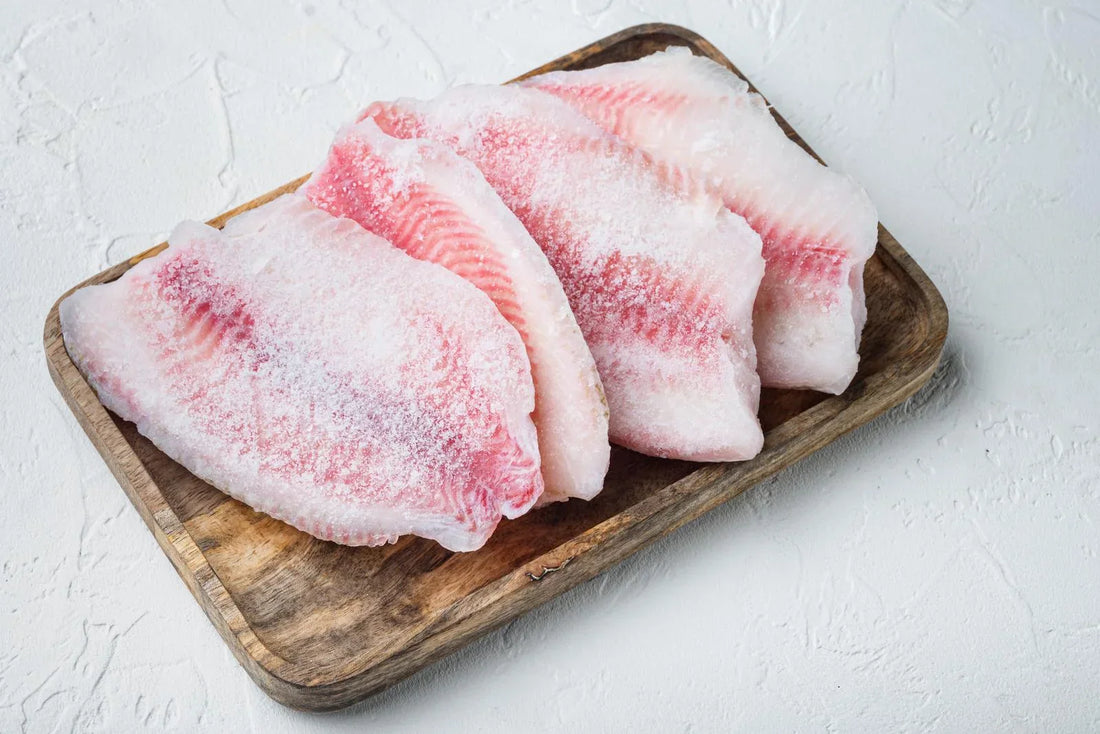
Tips for Preparing Frozen Fish: Easy Recipes for Every Day
The freezer section of your supermarket holds a secret weapon for busy home cooks: frozen fish. While fresh fish often takes center stage, frozen varieties offer incredible convenience without sacrificing nutrition or flavor. These icy treasures can transform weeknight dinners from stressful to easy, delivering restaurant-quality meals in minutes.
Frozen fish eliminates the guesswork of meal planning. No more wondering if that fresh fillet will still be good tomorrow, or making last-minute sprints to the store when evening plans change. Modern freezing techniques ensure freshness and optimal quality, and learning how to prepare frozen fish opens up a world of quick, nutritious meal options.
Can you cook frozen fish straight from the freezer?
Here's where it gets interesting – you don't always have to thaw frozen fish before cooking it. That might sound surprising, but cooking fish from frozen is not only possible, but often preferable.
Defrosting vs. Cooking from frozen
The old rule of thawing everything before cooking doesn't apply to fish. In fact, cooking fish directly from frozen can help retain moisture and prevent the dreaded rubbery texture that sometimes occurs with thawed fish. When you cook from frozen, the ice crystals gradually melt, keeping the fish moist throughout the cooking process.
Defrosting has its place, especially for delicate preparations or when you need to season the fish thoroughly. But for everyday cooking, going directly from the freezer to the pan or oven saves time and often produces better results. Plus, there's no risk of forgetting to defrost dinner until it's already time to eat.
Best types of fish for cooking from frozen
Not all fish handle the process of going from frozen to cooked equally well. Firm, thick fillets work best because they cook evenly without falling apart. Here are the top choices:
-
Salmon - thick fillets hold their shape wonderfully and stay juicy.
-
Cod - a robust white fish that is perfect for most cooking methods.
-
Tilapia - its mild taste and reliable texture make it foolproof.
-
Halibut - dense flesh that cooks evenly from frozen.
-
Mahi-Mahi - firm texture that works great in various recipes
These types of fish retain their structure during cooking and do not become mushy or fall apart when preparing frozen fish.

Essential tips for cooking frozen fish
Mastering the preparation of frozen fish boils down to understanding the correct techniques for different cooking methods and knowing how to effectively add flavor.
Cooking techniques for frozen fish
-
Baking: This might be the easiest way to prepare frozen fish. Preheat your oven to 220°C (425°F), place the frozen fillets on a lined baking sheet, brush with oil or butter, season well, and bake for about 20-25 minutes, depending on thickness. The fish is done when it easily falls apart with a fork.
-
Grilling: Start with a clean, well-oiled grill grate heated to medium-high heat. Place frozen fillets directly on the grill and cook for 6-8 minutes per side, depending on thickness. Don't move the fish too soon—let it develop a nice crust before turning.
-
Pan-frying: Heat oil in a heavy-bottomed pan over medium heat. Add frozen fillets and cook for 4-5 minutes on the first side without moving them. Turn carefully and cook for another 3-4 minutes. The key is patience – allow each side to develop a golden crust.
-
Steaming: Place frozen fish in a steamer basket over boiling water. Cover and steam for 10-12 minutes, depending on thickness. This gentle method works particularly well for delicate fish and perfectly preserves moisture.
Seasoning and marinating
Frozen fish can taste a bit bland on its own, so good seasoning makes all the difference. Since you can't season frozen fish deeply, focus on surface flavors that pack a punch:
-
Citrus zest and juice brighten up any fish dish.
-
Fresh or dried herbs such as dill, parsley, or thyme add complexity.
-
Garlic and onion powder offer savory depth.
-
Paprika and cumin work great for more exotic flavors.
-
Simple salt and pepper should never be skipped.
For marinades, you must first thaw the fish to allow the flavors to penetrate. A 30-minute marinade is usually sufficient for fish.
Simple everyday recipes for frozen fish
These simple recipes prove that preparing frozen fish does not require any fancy techniques or exotic ingredients.
Baked salmon with garlic and lemon
Place frozen salmon fillets on a baking sheet lined with parchment paper. Brush with olive oil, then sprinkle with chopped garlic, lemon zest, salt, and pepper. Top with lemon slices and bake at 220°C (425°F) for 20-22 minutes. The result is perfectly flaky salmon with bright, fresh flavors.
Pan-fried cod with vegetables
Heat oil in a large frying pan and add frozen cod fillets seasoned with salt and pepper. Cook for 5 minutes, turn over, then add chopped vegetables such as bell peppers and zucchini around the fish. Cook for another 5-7 minutes, until the fish is falling apart and the vegetables are tender. It's a complete meal in one pan.
Fish tacos with frozen tilapia
Season frozen tilapia with cumin, chili powder, and lime juice, then pan-fry until golden. Serve in warm tortillas with shredded cabbage, diced tomatoes, and a dollop of sour cream mixed with lime juice. These tacos are fresh, flavorful, and ready in under 20 minutes.
Frozen fish and chips
Cut frozen white fish into strips, coat them in seasoned flour, then deep-fry them in hot oil until golden and crispy. Serve with oven-baked potato wedges for a healthier take on this classic comfort food. The key is maintaining the oil temperature for that perfect crispy coating.
Crispy fish fillets with remoulade
Coat frozen fillets in beaten egg, then seasoned breadcrumbs. Fry in oil until golden on both sides. While the fish cooks, mix mayonnaise with chopped cucumber, capers, and lemon juice for a quick remoulade. Simple, but satisfying.
Avoid common mistakes when preparing frozen fish
Learning what not to do is just as important as mastering the right techniques.
Problems with boil-over
Frozen fish, when cooked perfectly, can become rubbery in just a minute or two. The key is to pay attention to visual cues rather than relying solely on timing. Fish is done when it easily falls apart with a fork and becomes opaque throughout. Don't wait until it's completely white—that indicates it's overcooked.
Use a meat thermometer if you're unsure. Fish should reach an internal temperature of 63°C (145°F). Remember that fish continues to cook for a minute or two after you remove it from the heat, so take it out just before it reaches this perfect temperature.
Temperature and equipment problems
Starting with a cold pan or oven leads to uneven cooking and poor texture. Always preheat your cooking surface properly – this produces better searing and prevents sticking. For oven cooking, make sure it is fully preheated before adding the fish.
Using the wrong pan can also cause problems. Non-stick or well-seasoned cast iron pans work best for stir-frying, while heavy baking trays distribute heat evenly in the oven.
Seasoning and storage problems
Bland fish is disappointing fish. Don't skip the dicing step, even if you're in a hurry. A generous pinch of salt and pepper, plus one or two other spices, can transform a simple piece of fish into something special.
Freezer burn affects both taste and texture, making fish tough and giving it off-flavors. Store fish in airtight containers, use it within the recommended timeframe, and check for ice crystals or white spots before cooking. Properly stored frozen fish should keep for 3-6 months.

Make frozen fish a part of your regular routine
The beauty of cooking with frozen fish lies in its flexibility and reliability. You can stock your freezer with several varieties and always have the basis for a healthy dinner on hand. Whether you're cooking for busy weeknights or weekend family meals, frozen fish adapts to your schedule.
Start simply with basic spices and cooking methods, then build confidence by experimenting with different flavor combinations and techniques. You'll soon discover that preparing frozen fish is not only easy, but often produces better results than fresh fish that's been sitting around for days.
The convenience factor alone makes frozen fish worth mastering. No more worrying about spoilage, no more emergency supermarket runs, and no more excuses for skipping healthy fish dinners. With these techniques and recipes in your toolkit, delicious fish meals are always just minutes away.
Conclusion
Cooking with frozen fish transforms the way you approach weeknight dinners and meal planning. This convenient protein source provides excellent nutrition without the stress of perfectly timing fresh fish purchases.
The techniques discussed here prove that preparing frozen fish requires no special skills – just the right cooking temperatures, good seasoning, and an understanding of timing. Mastering these methods will allow you to prepare frozen fish like a pro and achieve delicious results every time.
Don't let frozen fish intimidate you anymore. Stock your freezer with quality options, keep these cooking methods handy, and enjoy the freedom of always having delicious, healthy dinner options ready when you need them.

